


Kinfire Lore: The Great War and the Peoples of Atios
- Incredible Dream
- Aug 2, 2022
- 3 min read

Updated: Aug 29, 2022
A bit of history surrounding the world of Atios in Kinfire Chronicles: Night's Fall, and the species that populate it

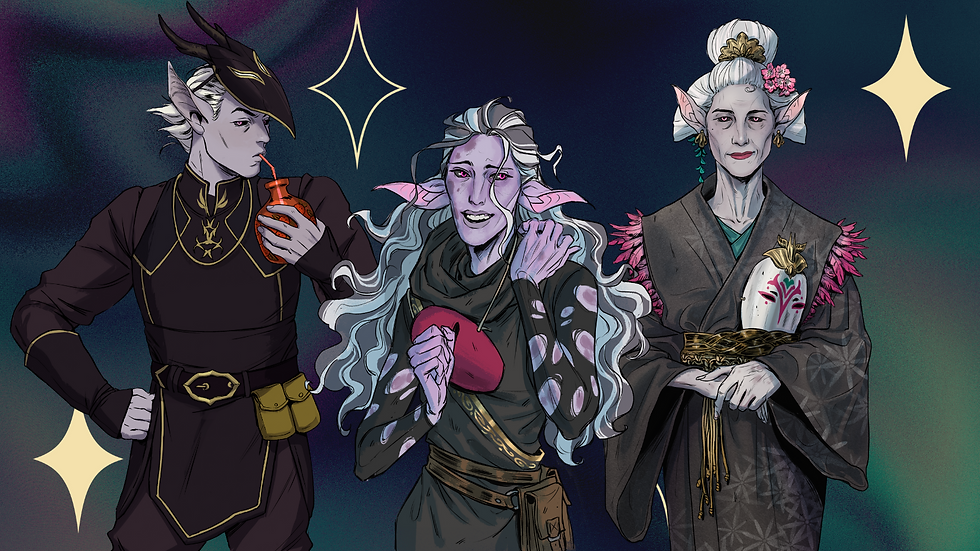
They called it the Great War. Although both sides were made up of peoples of every kind, it was primarily a fight between elves and dwarves that began millennia ago, back when the dwarves weren’t really dwarves at all.
Thousands of years ago, when the last Starless Nights finally receded, the peoples of Atios emerged united. The elves had discovered kinfire—a weapon against the Darkness–but in the centuries that followed, the threat of the Starless Nights was forgotten. The elves formed their own religion around kinfire—the Holy Flame had been gifted to them by the goddess Ziva and they were its keepers. But to the neighboring humans of Dwar Fell, it was something to be studied and experimented with, for who knew what wonders and discoveries could come from the magic of kinfire?
The elven priests declared such experimentation to be heresy, but the peoples of Dwar Fell ignored this declaration and attempted to manipulate kinfire in a variety of ways, including ingesting it. A process known as communion was developed. Those who ingested kinfire embers obtained a level of access to magical energy that had previously been unknown. Over just a few generations, the effects of communion took on a physical form: the eyes of those in Dwar Fell glowed with a fiery intensity, their hair highlighted in shades of flaming red, and their growth was stunted so that their height as adults barely exceeded that of a human child. Their lifespans doubled to equal that of the elves, nearly 150 years. These kinfire-touched peoples of Dwar Fell no longer resembled the humans that they once were and eventually became known as dwarves.

The elven worshippers of Ziva were outraged. They destroyed any kinfire lighthouses that remained outside of their own cities and withdrew behind their borders where they could safeguard the source of all kinfire, the Holy Flame, which burned in the Great Lighthouse of Din’Lux. The dwarves demanded that kinfire be shared with them and rest of the peoples of Atios, but the elves refused. Small skirmishes and failed diplomacy eventually grew into a full-blown war that would go on for centuries.
Over the course of the Great War, the Berian Empire, populated by mostly humans, did their best to appear neutral. With their control over the trade routes that supplied armies on both sides, the Empire profited greatly from the continuation of this war. For this reason, they secretly aided both sides and subtly stoked conflict wherever they could.
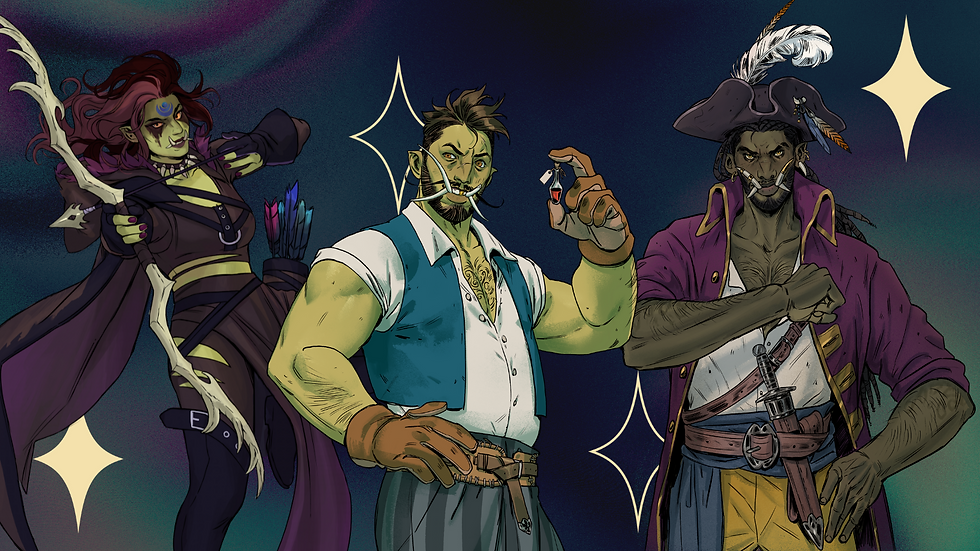
The orcs of Atios played a variety of roles in the Great War. Following their orcish weather sense, many nomadic farming communities migrated to the temperate lands surrounding Din’Lux and Dwar Fell. Some of the orc farmers supplied the armies with food and goods, while others left their communities to become mercenaries for one side or the other. Seafaring orcs engaged mostly in trade, with many profiting from the war by smuggling much-needed weapons and goods.
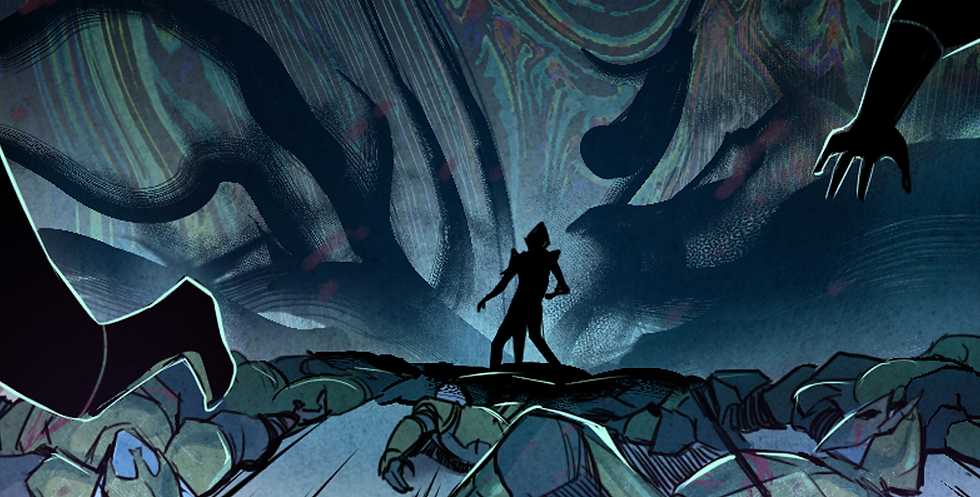
In recent years, the Great War took a turn. The dwarves gained the upper hand, advancing their forces until Din'Lux was the only remaining fortress of the elves. On the eve of their planned siege of the city, the Darkness returned and overnight, everything changed. Fate, it seemed, had something else in mind for the peoples of Atios.


Comments